
By Chinenye Onwusonye
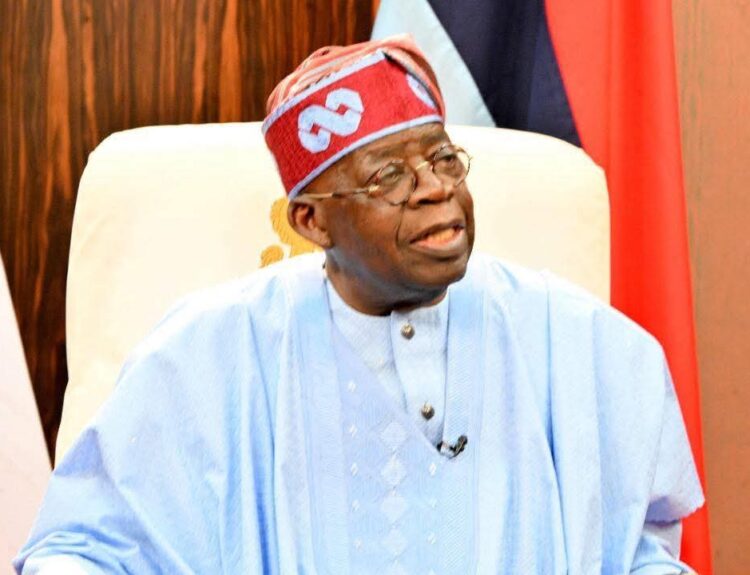
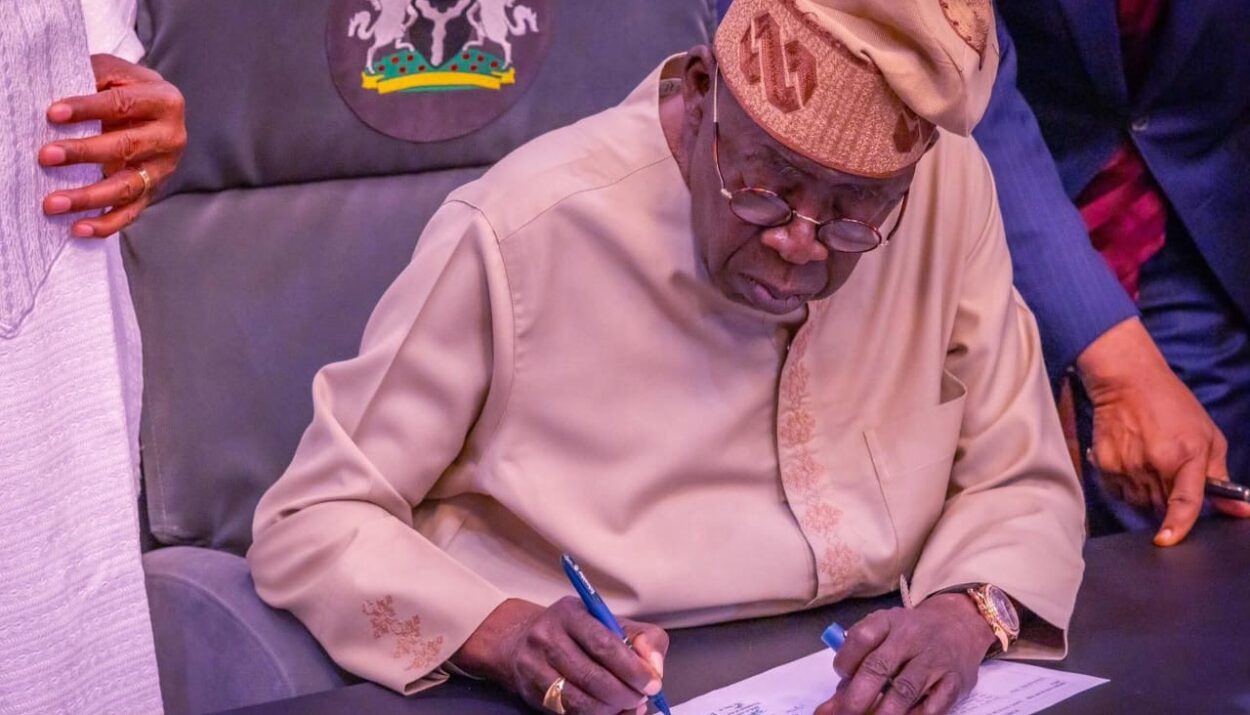
President Bola Ahmed Tinubu has assented to the 2026 Appropriation Bill, approving a total expenditure of ₦68.32 trillion, alongside an extension of the 2025 budget implementation period to June 30, 2026.
The disclosure was contained in a State House press statement signed by Bayo Onanuga, Special Adviser to the President on Information and Strategy, and dated April 17, 2026.
According to the statement, the 2026 budget provides ₦4.799 trillion for statutory transfers and ₦15.8 trillion for debt servicing, while ₦15.4 trillion is allocated for recurrent expenditure. A substantial ₦32.2 trillion has been earmarked for capital expenditure through the Development Fund.
The allocation, with capital spending accounting for about 50 per cent of the total budget, reflects the administration’s commitment to economic stability, national security, infrastructure development, and inclusive growth.
It further noted that the President also signed the Appropriation (Repeal and Enactment) (Amendment) Bill, 2026, extending the capital component of the 2025 budget from March 31 to June 30, 2026, to allow for the completion of ongoing projects.
The extension, the statement explained, would enable Ministries, Departments, and Agencies (MDAs) to consolidate ongoing works, improve project completion rates, and ensure effective utilisation of public funds, particularly for critical infrastructure.
With the 2026 Appropriation Act taking effect from April 1, full implementation is expected to commence in line with the administration’s Renewed Hope Agenda.
President Tinubu, according to the statement, directed MDAs to ensure transparency, discipline, and efficiency in the use of allocated resources, while emphasizing timely project delivery and value for money.
He also commended the National Assembly for its cooperation and diligence in the swift passage of the budget, reiterating the importance of collaboration between the executive and legislative arms in advancing national development.
The President further assured Nigerians of his administration’s commitment to fiscal reforms, improved revenue generation, and strategic investments aimed at stimulating economic growth, job creation, and enhanced social protection.