
By Ikenna Onyeiwu
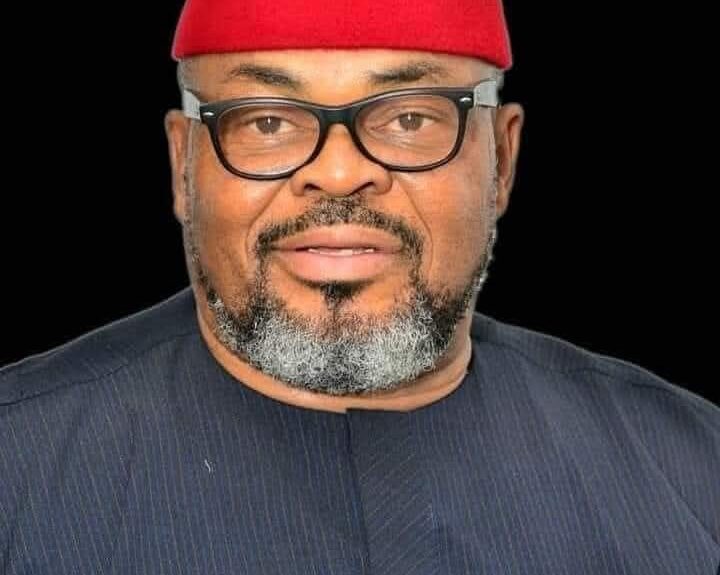
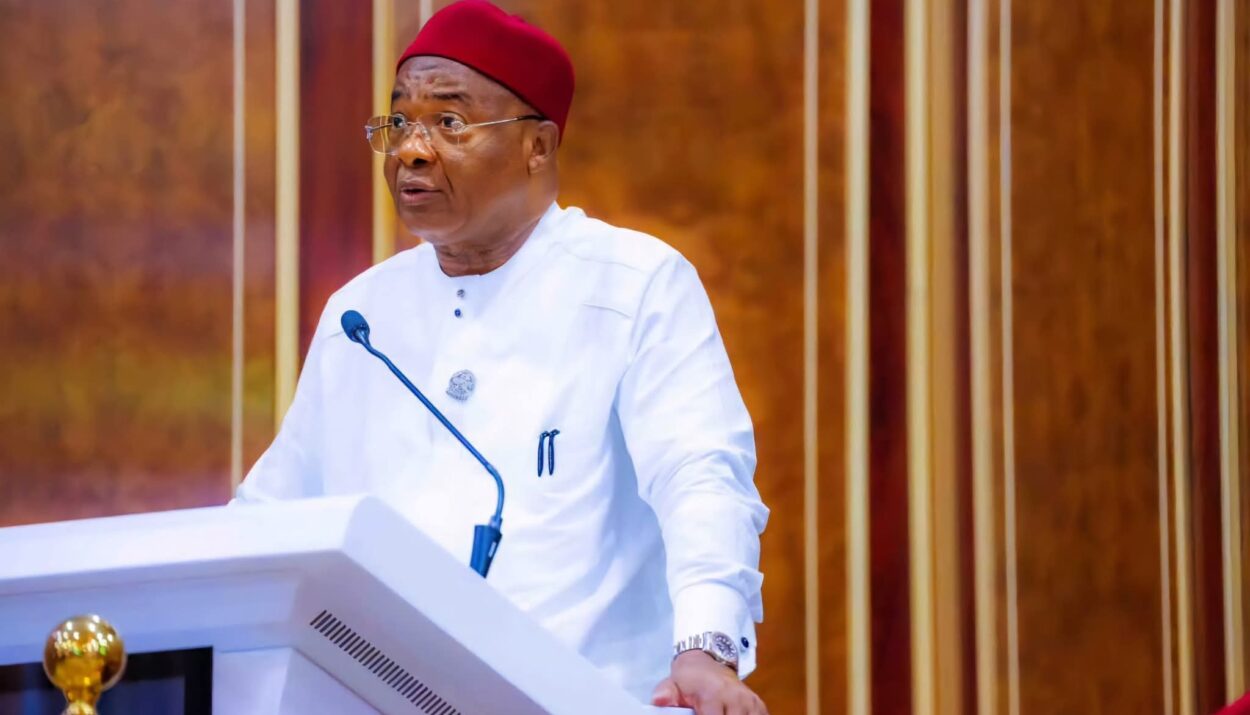
Former member of the House of Representatives and Imo State Commissioner for Housing, Rt. Hon. Bede Eke, has declared that Governor Hope Uzodimma’s anticipated return to the Senate in 2027 is in the strategic interest of Ndigbo and the broader quest for political balance and national cohesion in Nigeria. Eke, who represented Aboh Mbaise/Ngor Okpala Federal Constituency, said Uzodimma’s presence in the upper chamber of the National Assembly would strengthen the political voice of the Southeast and advance the collective interests of the Igbo nation at the national level.
Eke said the governor’s record in Imo State, his leadership qualities and his contributions to the Progressive Governors Forum have positioned him for a significant role in national politics beyond his current executive responsibilities. According to him, Uzodimma’s experience in governance and his political reach would be valuable assets in the Senate, particularly at a time when Nigeria needs deliberate efforts to promote inclusiveness, mutual understanding and equitable representation among its constituent regions.
The Imo Housing Commissioner explained that Nigeria’s political structure was conceived around a tripod of three major geopolitical blocs, making it imperative to sustain a balance that gives every section of the country a genuine sense of belonging. He argued that Uzodimma’s return to the Senate would contribute to this balance by strengthening the capacity of the Southeast to participate in national decision making and engage more effectively in conversations shaping the country’s political future. He maintained that a more inclusive federation would require strategic political choices that transcend individual ambition and reflect the collective interests of the different regions.
Eke further clarified that the aspiration for Uzodimma to return to the Senate did not originate from the governor’s personal ambition or from any individual initiative. Rather, he described it as a consensus emerging from Igbo intellectuals and political leaders who recognise the need to reposition the Southeast within Nigeria’s evolving political equation. He said the thinking behind the move was to promote national stability, strengthen political cooperation and create a more balanced federation in which the major constituent blocs could pursue their interests without any feeling of exclusion.
He stressed that the senatorial comeback should therefore be understood within the wider context of Igbo political strategy and Nigeria’s national interest, rather than as a routine electoral contest. Eke maintained that Uzodimma’s experience, relationships across political divides and leadership exposure could provide an important platform for advancing the cause of Ndigbo while contributing to national integration. He said the objective was to ensure that the Southeast remained strategically represented in the country’s highest levels of political decision making and that the principles of fairness, inclusion and balance continued to guide Nigeria’s democratic development.