
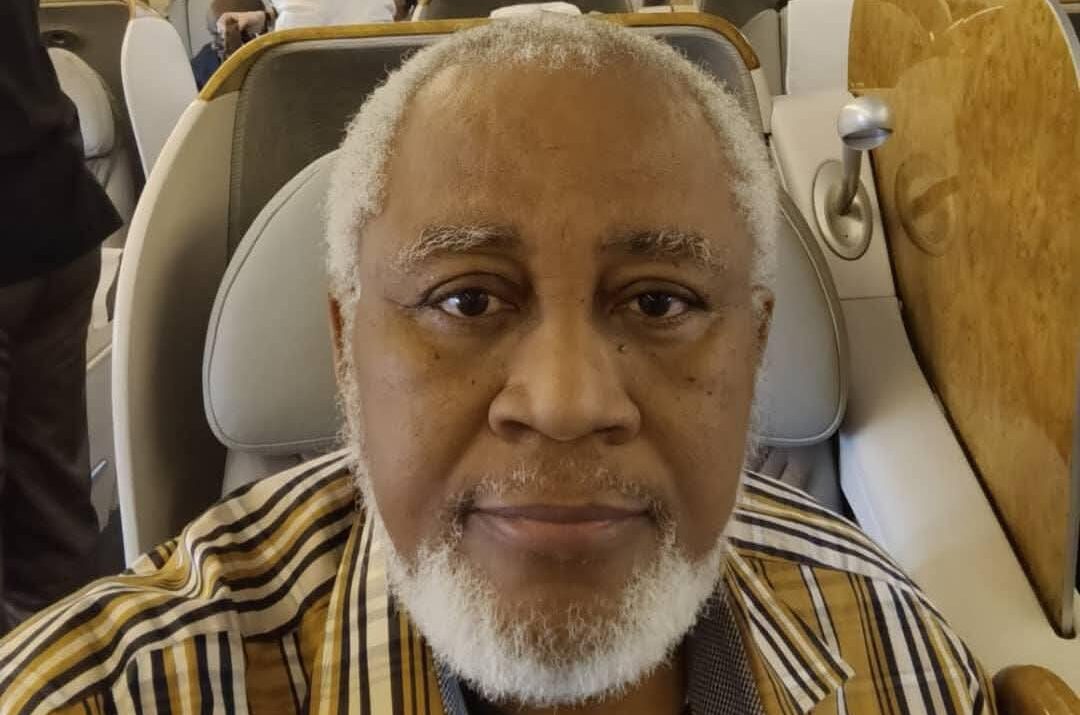
By Okechukwu Ajoku
Okechukwu Ajoku is a civic commentator and host of the Justice Podcast. He writes in his personal capacity and believes open debate strengthens democratic credibility.
Recent public reactions to my opinion article on the state of politics in Owerri Zone make it necessary to place a few facts and principles clearly on record, for the sake of fairness, accuracy, and democratic integrity.
First, my article was written strictly in my personal capacity as a citizen and public commentator. It was not commissioned by, written for, or issued on behalf of the Imo Harmony Project (IHP) or any other organisation. I did not invoke the authority, name, or platform of IHP in advancing my views.
IHP, as an organisation, has since issued a disclaimer reaffirming its neutrality and commitment to consensus‑building within Owerri Zone. That clarification is appropriate and should be respected. Institutions have a right—and indeed a duty—to protect their collective mandate. My personal opinions should not be imputed to any organisation I am associated with.
It is important to clarify what my article was, and what it was not.
It was not an attack on any individual.
It was not a rejection of Owerri Zone equity.
It was not a call for division or disorder.
It was an opinion—clearly labelled as such—on a political pattern that many people privately observe but rarely discuss openly.
My central argument was simple: while past injustice deserves acknowledgment and fairness, democracy cannot thrive if sympathy hardens into entitlement or if debate is treated as betrayal. Equity opens the door, but competition and persuasion must decide who walks through it.
I recognise, and have always recognised, the injustice surrounding the loss of the 2019 mandate. That fact is not in dispute. However, elections are not referendums on yesterday’s grievance alone; they are judgments about tomorrow’s trust. Raising that question is not hostility. It is civic responsibility.
To my brothers and sisters in Owerri Zone who felt uncomfortable or upset by the article, I understand the concern. Many fear that internal debate may weaken our collective aspiration. That fear is human. But silence imposed in the name of unity often produces resentment, not strength. A zone that cannot openly test ideas before an election risks carrying unresolved tensions into the contest itself.
It is also important to say this plainly: many potential aspirants in Owerri Zone are not career politicians. They are professionals, business owners, community leaders, parents, and young people who simply want a fair opportunity to serve. A political environment that feels emotionally closed—even if procedurally open—discourages participation and delays renewal.
This reality affects women and young aspirants most severely. Long before competition begins, they are often told to wait, to keep quiet, or to “learn politics,” while outcomes appear morally pre‑allocated above them. That is not how healthy democracies grow.
Disagreement is not disloyalty.
Questioning is not sabotage.
Debate is not disrespect.
A confident political project does not fear scrutiny; it invites it.
I remain firmly committed to Owerri Zone equity, justice, inclusion, and long‑term credibility. My interest has never been in personalities, but in processes that strengthen our collective future. Owerri Zone will be strongest when its candidates and ideas emerge through persuasion, not pressure.
Finally, let me say this clearly: this clarification is not a response to insults, calls for sanctions, or attempts at personal intimidation. It is a statement of principle. Democratic societies do not progress by silencing voices, but by weighing arguments.
History is kinder to communities that learn to argue openly than to those that suppress debate in the name of comfort.
That is the spirit in which I wrote—and the spirit in which I remain committed to the future of Owerri Zone.
“Test all things; hold fast what is good.”
— 1 Thessalonians 5:21
Okechukwu Ajoku