
By Chinenye Onwusonye
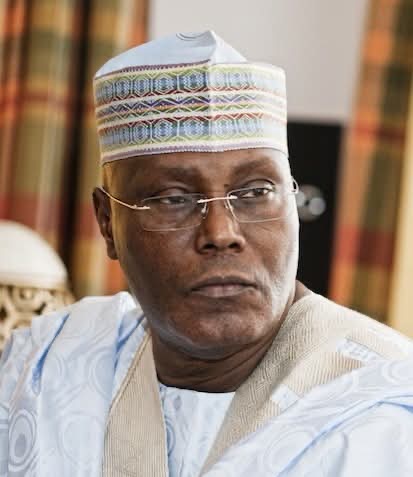
The Presidency has accused former Vice-President Atiku Abubakar of repeatedly changing his position on petrol subsidy, describing his latest comments as evidence that he is “simply playing politics” with the economic challenges facing Nigerians.
The criticism was contained in a statement signed by Bayo Onanuga, Special Adviser to the President on Information and Strategy, on August 26, 2026, in which the Presidency questioned the former vice-president’s proposal to restore what he described as a “targeted subsidy” if elected president.
The statement followed conflicting explanations from members of Atiku’s camp over his proposed petrol subsidy policy. According to the Presidency, Atiku’s spokesperson, Paul Ibe, initially said Atiku would restore petrol subsidy if elected and later phase it out as a temporary measure to give Nigerians and businesses time to recover.
It said another senior aide, Phrank Shaibu, subsequently described Ibe’s position as an “unauthorised and misleading characterisation” of Atiku’s stance.
Shaibu, according to the statement, said Atiku would not set a fixed date for ending the subsidy but would maintain it until domestic refining capacity expanded, supply stabilised, competition increased and market conditions could deliver affordable petrol prices without government support.
The Presidency, however, noted that Atiku later intervened and reaffirmed that his position had not changed, saying he would restore a “targeted subsidy” and “put purchasing power back in the hands of Nigerians.”
The development, it said, raised questions about the consistency of Atiku’s economic policy.
The Presidency questioned why different members of Atiku’s team had offered different explanations within a short period if his position had remained unchanged.
It also challenged the economic rationale behind the proposal, arguing that petrol prices are determined by several factors, including international crude oil prices, exchange rates, refining costs, transportation, distribution and other market costs.
The statement further rejected the suggestion that petrol prices were solely responsible for rising food prices, saying agricultural productivity, insecurity, exchange rates, logistics, storage, flooding, input costs and supply constraints also contribute to food inflation.
The Presidency said a serious economic programme should address those factors rather than reduce the cost-of-living crisis largely to the price of petrol.
Onanuga also questioned what Atiku meant by “targeted subsidy,” asking how much the programme would cost, who would benefit, how beneficiaries would be identified, how it would be funded and what conditions would determine its eventual termination.
The statement further focused on Atiku’s argument that his proposed subsidy would follow the price of crude oil, pointing out that crude oil refining produces several products apart from petrol.
According to the Presidency, petrol accounts for about 45 per cent of the products derived from a barrel of crude, while diesel accounts for roughly 25 per cent. Jet fuel and kerosene make up about nine per cent, while other products include petrochemical feedstocks, asphalt, hydrocarbon gases, lubricants, waxes, petroleum coke and sulphur.
The Presidency therefore asked whether Atiku’s proposed subsidy would also cover other products derived from crude oil, particularly diesel and kerosene, which are widely used by households, businesses, transport operators and industries.
It also questioned whether refineries receiving discounted crude would be allowed to profit from the other products produced from the same barrel while government subsidy was focused primarily on petrol.
The statement defended President Bola Ahmed Tinubu’s decision to remove petrol subsidy, arguing that the policy had restored fiscal health to the three tiers of government and helped stabilise the macroeconomic environment.
The Presidency urged Atiku to provide Nigerians with a clear, costed and workable petroleum policy, warning against what it described as “policy somersaults, incoherence, destructive populism and election gimmicks.”
It maintained that the economy was too important to be subjected to what it characterised as an opaque and potentially costly subsidy regime.