
●NDUBUISI KANU LAID THE BLUEPRINT; UZODIMMA IS CONSOLIDATING IMO
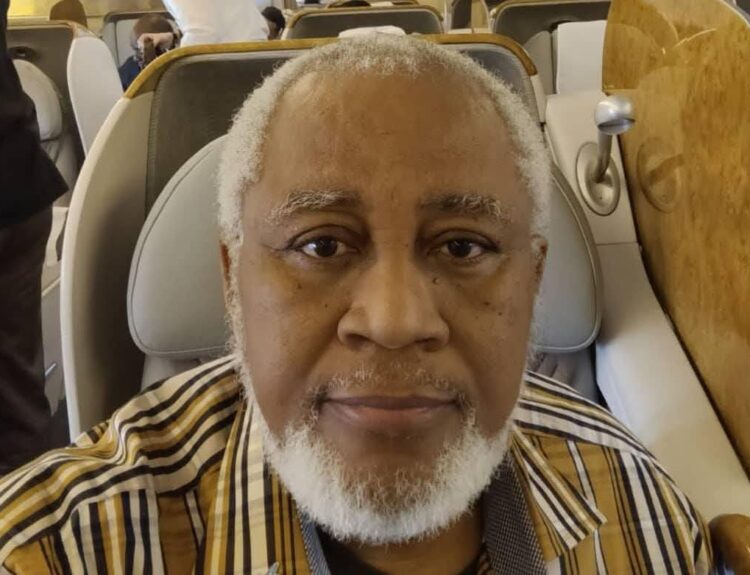
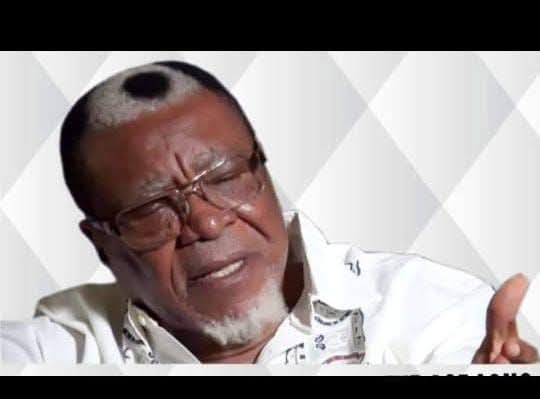
Prince Bob Njemanze is one of the very few surviving eyewitnesses to the creation of Imo State in 1976. At 84, his memories span the entire lifespan of the state, from its birth under military rule, through the transformative civilian era of the late Chief Sam Mbakwe, to the present phase of infrastructural consolidation under Governor Hope Uzodinma. In this special interview to mark Imo State’s golden jubilee, Njemanze reflects on the origins of the state, the foundational role of its first military governor, Ndubuisi Kanu, the executional passion of Sam Mbakwe, the importance of zoning balance and the Charter of Equity, and why continuity of development philosophy beyond 2027 is critical to Imo’s future.
Excerpts:
Prince Bob Njemanze, at 84, you are one of the few surviving eyewitnesses to the creation of Imo State. What does Imo @ 50 mean to you personally?
I am not given to marketing myself, but when interviews like this come up, one must be factual, even if it risks being mistaken for arrogance. I am 84 years old. If you subtract the 50 years of Imo State, you will see that I was already a grown man when Imo was created in 1976. Imo State was created by General Murtala Mohammed. I remember very clearly that I was on my way back from Enugu when the announcement of the new states was made. I immediately wheeled back to Enugu. That moment marked the birth of a state whose journey I have followed closely for five decades. For me, Imo @ 50 is both a celebration and a moment of deep reflection.
Can you briefly take us through the political evolution of Imo State over these five decades?
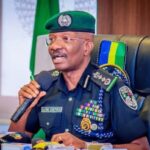
Imo State began under military administration from 1976 until 1979, with administrators like Ndubuisi Kanu and others stabilizing the young state and laying administrative structures. In 1979, we entered civilian rule under the Second Republic with the iconic leadership of Sam Mbakwe, whose developmental vision still resonates today. After the return of military rule in 1984, the state went through several military administrators until 1999. Since the advent of the Fourth Republic, Imo has been governed by elected leaders: Achike Udenwa, Ikedi Ohakim, Rochas Okorocha, Emeka Ihedioha, and now Hope Uzodinma. Each era reflects both the national political climate and the peculiar aspirations of Imo people at that time.
You were close to Imo’s first military governor, Ndubuisi Kanu. What role did he play in shaping the new state?
I had known Ndubuisi Kanu even before his appointment through a close mutual friend, so I already understood his mindset and development philosophy when he became the first military governor of Imo State. On one of our early trips from Enugu to Owerri, our Audi got badly stuck in heavy road soil. It took a long time before we could move again. That experience made a deep impression on him. Within one month of assuming office, he began laying the foundations for modern infrastructure. That tells you the kind of man he was – practical, decisive, and development-driven.
You have said that many development ideas later credited to Sam Mbakwe actually originated from Ndubuisi Kanu. Can you clarify this?
History must be honest. Many of the ideas that later defined the Mbakwe era were conceived under Ndubuisi Kanu. That does not diminish Mbakwe; it simply places facts in proper context. General Olusegun Obasanjo visited Imo a few months after Kanu took office. He examined the Fingerhut and Partners development blueprint and was so impressed that he ordered the tarring of 50 kilometres of roads each in Owerri, Umuahia and Okigwe. That is why, till today, when you enter the core areas of Aba, Umuahia, Owerri and Okigwe, you still find very solid roads. They were not built in one stretch but spread across towns and villages, and they were built to last.
What happened after Ndubuisi Kanu was moved out of Imo State?
Obasanjo moved him to Lagos to replicate what he was doing in Imo. There was a brief interruption in momentum when his immediate successor showed little interest in continuing the vision. However, the next administrator largely returned to Ndubuisi Kanu’s programme and followed it almost to the letter.
Many people still refer to Sam Mbakwe as the architect of modern Imo. Why is his legacy so enduring?
Mbakwe was a builder in the true sense of the word. In just four years, he established enduring institutions: Imo State University, the Polytechnic at Nekede, College of Agriculture Umuagwo, quality secondary schools, and several state-owned industries. He believed that education and productive assets were the twin engines of development. His emotional attachment to Imo and his ability to mobilize the people gave his leadership a human face. That is why his name still commands respect decades after.
How would you assess the post-Mbakwe civilian administrations in terms of development focus?
Each administration had its defining priorities. Achike Udenwa focused on stability and basic governance after long military rule. Ikedi Ohakim emphasized environmental sanitation and urban renewal through the Clean and Green initiative, which brought national recognition to Owerri. Rochas Okorocha pursued populist policies, especially free education, but implementation challenges and quality concerns weakened the long-term impact. Emeka Ihedioha came with an institutional reform mindset, introducing TSA, pension verification, and efforts to clean up government finances. Though brief, his tenure signaled a return to systems and accountability.
How did Sam Mbakwe then emerge as such a dominant figure in Imo’s history?
Mbakwe deserves enormous credit for passion and execution. While some ideas originated earlier, he committed himself fully to developing Imo beyond expectations. At the time, Owerri had no decent hotels – just White House, Mount Royal and Best Way. Even visitors who came to help develop the state had nowhere suitable to stay. That was how the idea of building a proper five-star hotel came up, which later became the Concorde Hotel. The branding and identity were Mbakwe’s initiative. Mbakwe mobilised emotion, sacrifice and pride around Imo State. That is why he remains deeply appreciated today – and rightly so.
From creation to civilian rule, how would you describe Imo’s political evolution across Owerri, Orlu and Okigwe zones?
Leadership in Imo has rotated among the zones, though not always smoothly. Okigwe zone produced Sam Mbakwe, whose legacy remains foundational, and later Ikedi Ohakim, who focused on stabilising governance and urban renewal. The Orlu zone produced leaders such as Achike Udenwa, Rochas Okorocha and now Hope Uzodinma. Each zone has contributed, and each has also had its lessons. What history teaches us is this: Imo develops best when no zone feels excluded. Balance is not a luxury; it is a necessity.
How important is the Charter of Equity in sustaining this balance?
The Charter of Equity is the moral compass of Imo politics. It is not about entitlement; it is about justice, inclusion and peace. Owerri, Orlu and Okigwe must all see themselves as equal stakeholders in Imo’s future. When leadership rotation is respected, politics becomes less desperate and governance becomes more focused. Equity builds trust, and trust creates stability.
Governor Hope Uzodinma is from the Orlu zone. How do equity and continuity intersect as Imo looks toward 2027?
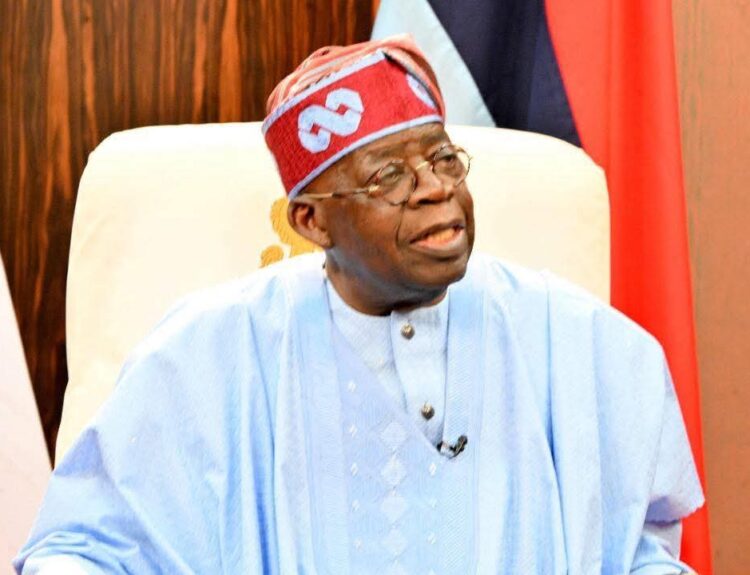
Equity and continuity must walk together. Continuity does not mean repeating the same person; it means sustaining policies, protecting investments and consolidating progress. Governor Uzodinma has embarked on massive road construction linking Owerri, Orlu and Okigwe zones. His administration has strengthened health insurance through the Imo State Health Insurance Agency and ImoCare and revived legacy assets. These efforts must not be abandoned. The best way to protect these gains is to ensure a successor who understands the vision, has been part of its execution, and can be trusted to consolidate it, guided by equity.
Some people argue that Imo needs a “fresh start” in 2027. What is your response?
Imo does not need experimentation. We have experimented enough. Development is cumulative. Roads need maintenance, health systems need consistency, and institutions need time to mature. Any leadership that comes in to dismantle existing programmes will set the state back. What we need after Uzodinma is consolidation, not disruption.
Governor Hope Uzodinma is often described as an infrastructure-driven leader. What stands out in his administration?
Governor Uzodinma has clearly prioritized road infrastructure across Owerri and the wider state. Many strategic roads that had been abandoned for years are now motorable, improving mobility, commerce, and security. Beyond roads, the strengthening of the Imo State Health Insurance Agency and the ImoCare programmes have expanded access to healthcare, particularly for vulnerable groups. He has also taken steps to revive some legacy assets like Avutu Poultry and to stabilize state finances. His leadership style is proactive and interventionist, especially in physical development.
In your view, what have been Imo State’s major developmental gains in 50 years?
Our biggest gains are in education, human capital, and urban development. Imo remains one of the most educated states in Nigeria. We also have strong entrepreneurial energy among our people, both at home and in the diaspora. Institutionally, we have survived political transitions and remained a coherent state despite national turbulence. Infrastructure has progressed unevenly, but the current pace is encouraging. Health insurance and social intervention schemes are also relatively recent but promising achievements.
What would you identify as the persistent challenges holding Imo back?
Unemployment, youth restiveness, and insecurity are major concerns. We must also improve industrialization and value-chain development so that our educated population can find opportunities at home. Political instability in past years slowed policy continuity, and that is something we must avoid going forward. Development requires consistency, not constant resets.
What would you identify as the persistent challenges holding Imo back?
Unemployment, youth restiveness, and insecurity are major concerns. We must also improve industrialization and value-chain development so that our educated population can find opportunities at home. Political instability in past years slowed policy continuity, and that is something we must avoid going forward. Development requires consistency, not constant resets.
Looking ahead to 2027 and beyond, what kind of leadership does Imo need?
Imo needs stability, continuity, and competence. Leadership should not be experimental. We need someone who understands governance, budgeting, and project execution, and who can consolidate existing achievements while expanding economic opportunities. Continuity of policies, especially in infrastructure and social services, is essential for sustainable growth.
What are your hopes and aspirations for Imo State in the next 10 to 20 years?
I envision an Imo that is a hub for education, healthcare, agro-processing, and small-scale manufacturing. With our strategic location and human capital, we can become a regional economic powerhouse in the South-East. I also hope for a more peaceful and politically mature state where elections are not flashpoints of tension but platforms for ideas and development debates. Our young people should see politics as a tool for service, not conflict
What qualities should define Imo’s next governor?
Competence, experience, humility and commitment to continuity. The next leader must understand governance, not just politics. He must respect the delicate balance among Owerri, Orlu and Okigwe and govern as a unifier, not a sectional leader.
Finally, what is your message to Ndi Imo as the state marks 50 years and prepares for the future?
Imo @ 50 reminds us that progress is fragile. From Owerri to Orlu and Okigwe, we share a common destiny. Our progress or failure affects every zone. We must not allow politics to destroy development. If we respect equity, choose continuity and trust leadership grounded in experience, the next 50 years of Imo will surpass the first in peace, prosperity and progress. The decisions we make ahead of 2027 will define generations yet unborn. Over all, development is a collective responsibility. The government alone cannot build the state. Communities, professionals, traditional institutions, and the diaspora must all play their roles. We must protect what we have built, demand accountability, and support policies that promote long-term growth rather than short-term politics. If we stay united and focused, the next 50 years will be far better than the first..