
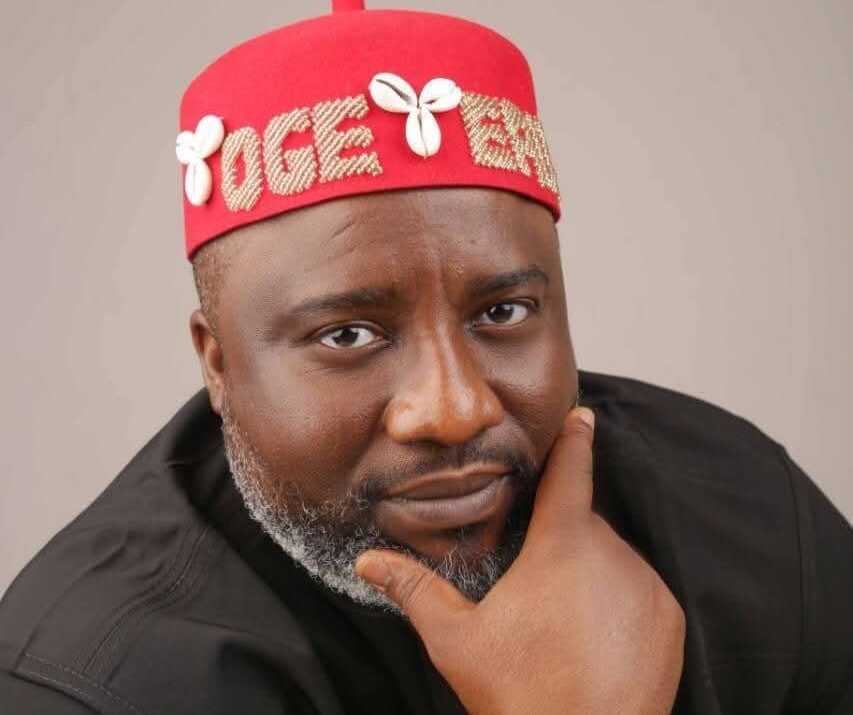
…Says Communities Should Stop Paying for Government Failure, Supports Women’s Projects With ₦5m
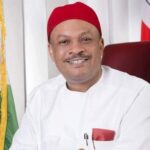
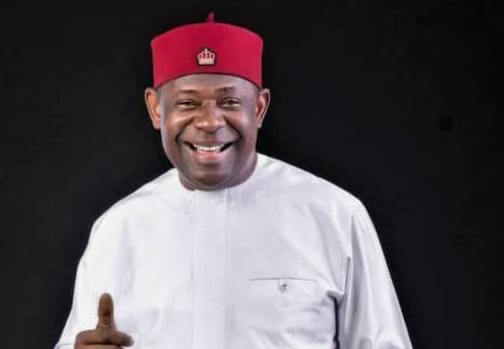
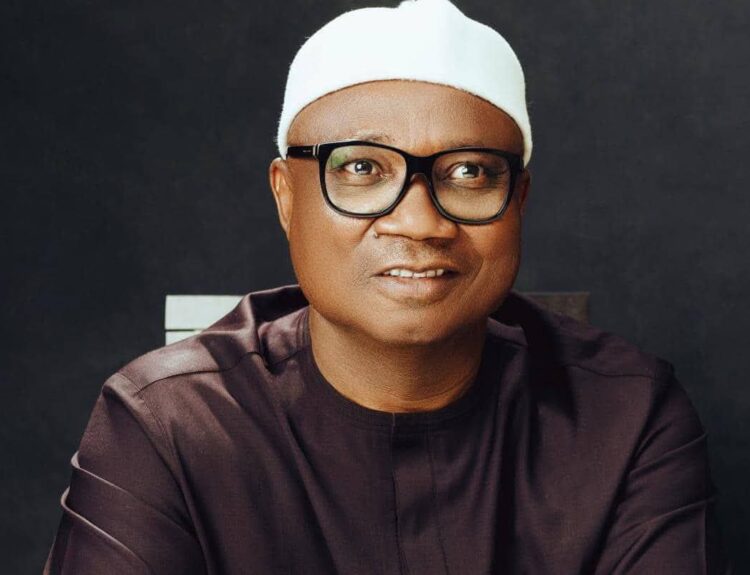
Dr Chima Matthew Amadi has challenged Imo voters to look beyond political affiliations and personal relationships when choosing their leaders, insisting that bad governance ultimately affects everyone, regardless of who they voted for.
Dr Amadi made the remarks during his engagements with women at their August meetings in Ngwoma Obube and Orji Uratta in Owerri North, where he listened to their concerns and supported their community projects with a combined sum of ₦5 million.
At Ngwoma Obube, the President General of the women’s group welcomed Amadi, saying they had heard about the things he had been doing for people across Imo State and expressed their pleasure at having him in their midst.
She explained that the women had been working together to complete their community hall, while also seeking assistance to restore their health centre, which she said was in poor condition.
But beyond the immediate requests, the engagement became an opportunity for Dr Amadi to make a broader argument about the choices voters make and the consequences of those choices.
He noted that Ngwoma Obube was an area associated with one of his fellow contestants from another political party and said some political strategists had advised him against visiting because they believed he might not receive votes there.
Dr Amadi, however, rejected that thinking.
According to him, being in a democratic society means recognising every citizen’s right to choose whomever they want at the ballot box. Political differences, he said, should never be grounds for denying people dignity, attention or support.
He argued that the belief that people must support only “their brother” in elections has contributed significantly to the current conditions in many communities.
“We keep hearing the same complaints everywhere we go,” he said, pointing to the growing burden on women and communities to provide what should ordinarily be the responsibility of government.
From repairing schools and healthcare centres to contributing money for community projects and even taking responsibility for their own security, Amadi said ordinary citizens were increasingly being forced to fill the gaps created by government failure.
“Giving power to the wrong people creates a problem for everybody,” he said, stressing that the consequences of bad governance do not stop at the polling booth.
“Bad governance affects everyone in one way or the other. For any mistake we make in this election, we have another four years to deal with it.”
He told the women that he was contesting under the Action Peoples Party (APP), urging them to make their choice based on the kind of leadership they want and assuring them that under his leadership, communities would not have to continually contribute their personal resources to provide basic public infrastructure.
Dr Amadi subsequently supported the women’s community project with ₦2 million.
The engagement continued at Orji Town Primary School, Orji Uratta, where he met with women under the Orji Women Organisation (OWO) during their August meeting.
The President General identified the completion of their community hall as their most pressing need, explaining that roofing was the major work left on the project. She appealed for support and prayed for God’s guidance and success for Dr Amadi in his political journey.
She also pledged the support of the women, saying they were prepared to follow him on his political journey.
In his remarks, Dr Amadi commended the women for preserving the tradition of August meetings, describing them as important occasions through which communities deliberate on their challenges and collectively seek solutions.
He said it was difficult to find any community where women had not played a significant role in driving development.
“There’s no community where you won’t see a form of development inspired by women,” he said, describing women as the pillars of the home and warning that any society that neglects them weakens its own foundation.
Dr Amadi also addressed the growing perception that he has presented himself as a messenger with a mandate to help liberate the people, saying the condition of society has reached a point where it urgently needs to be rescued from bad leadership. He reminded the women that political power ultimately belongs to the people.
“Power is with the people, because we are more than them,” he said, urging citizens to recognise the strength of their collective voice at the ballot box.
He promised that he would not disappoint the people if entrusted with the mandate to lead, while stressing that the responsibility for changing the direction of the state ultimately rests with the people themselves.
He thereafter supported the Orji women with ₦3 million towards the completion of their hall.
Across both engagements, the message was unmistakable: Dr Amadi is seeking to turn the August meeting tradition into more than an annual gathering of women to raise funds for community projects. He is using the meetings to make a larger case for political accountability — and to ask voters whether they are prepared to continue carrying the cost of government failure themselves.