

Since last week, the Nigerian Senate has been in a bit of a whirlwind over the passage of the 2026 Electoral Act Amendment Bill. The main cause of the rumpus is the Senate’s decision regarding the electronic transmission of election results.
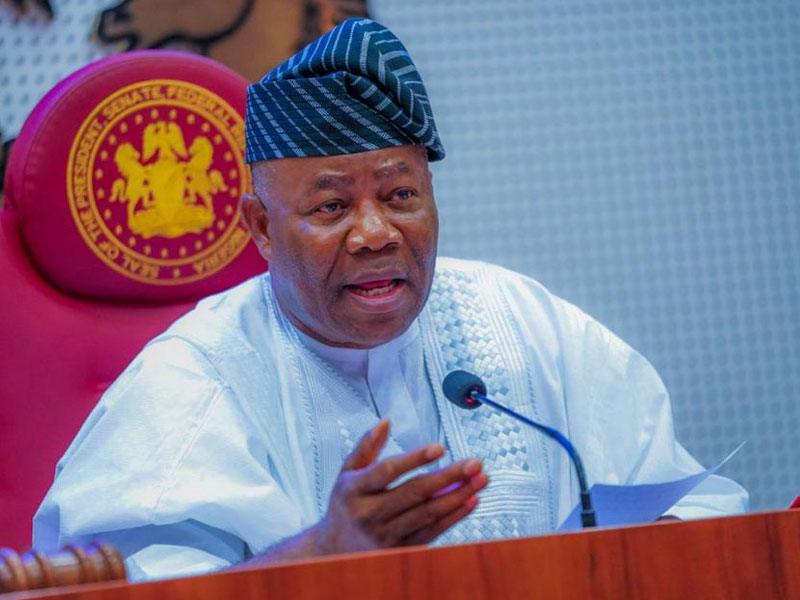
On February 4, 2026, to be precise, the Senate passed the Electoral Act Amendment Bill after hours of debate. But the Senate with the Senate President, Godswill Akpabio presiding,notably rejected a proposal that would have made real-time electronic transmission of election results mandatory. The rejection has drawn sharp criticism from various quarters, including the minority caucus in the Senate, many Nigerians and Civil Society Organisations, who warned the lawmakers against actions that could “inflame public frustration and undermine Nigeria’s democracy.”
Many, like Dr. Oby Ezekwesili, an activist and former Nigeria’s Minister of Education, believes that the political class, especially the Senate, is making decisions that alienate Nigerians. Her argument is that citizens are rightly angry over what is seen as excesses and poor judgment from their lawmakers. Civil society groups and political commentators are in agreement that electronic transmission is crucial for transparency and rebuilding public confidence in elections, especially after the controversies of the 2023 general elections.
The Senate’s decision to retain the existing provision from the 2022 Electoral Act, which allows the Independent National Electoral Commission (INEC) to use its discretion on how results are transmitted, has been rejected and denounced outrightly by critics. The contentious Senate’s decision means that while electronic transmission is not completely abolished, it is not mandated in real-time, which many see as a loophole that could lead to manipulation of election results in 2027.
Some senators who opposed the mandatory real-time upload cited concerns about uneven network coverage and logistical challenges, arguing that technical failures could fuel disputes. However, critics found no convincing explanation for rejecting mandatory electronic transmission, calling the move “suspicious” and “logically linked to possible manipulation of elections.”
Beyond the electronic transmission debate, the Senate also made other significant changes. They shortened the election notice period from 360 days to 180 days and reduced the deadline for political parties to submit candidate lists from 180 days to 90 days before elections. They also officially replaced smart card readers with the Bimodal Voter Accreditation System (BVAS) as the sole voter accreditation technology.
Another concerning aspect in the 2026 Electoral Act amendment for some Nigerians is the weakening of penalties for vote buying. While the fine for unlawful possession of voter cards was increased, a proposal for a 10-year ban on vote-buyers was rejected, with a five million naira fine and a two-year jail term approved instead. This has led some to argue that the cost of electoral malpractice has been lowered, potentially normalizing it.
Before last Tuesday’s passage of the bill,the delay in passing the Electoral Act Amendment Bill had already been a point of concern, with many stakeholders warning that further delays could jeopardize electoral credibility and effective planning by INEC for the 2027 general elections. The brouhaha being generated over the contentious passage of the bill with many Nigerians demanding that the Senate revisits and fine tunes it to meet public expectations, may again occasion another delay, which might ultimately affect its prompt passage. There is,undoubtedly, the fear that Nigeria might be forced to rely on the 2022 Electoral Act, which many believe contains significant flaws unless the National Assembly acts fast.
The way forward, Nigeria Horn calls on the Senate to listen to the widespread public outcry and consider the long-term implications of their decisions on Nigeria’s democracy. The harmonisation process with the House of Representatives, which has also passed its version of the bill, is a crucial stage where these contentious provisions can still be addressed.
It is apparent that for Nigeria’s democracy to grow and for public trust in the electoral process to be restored, transparency and accountability must be prioritised. The Senate needs to ensure that the final Electoral Act truly serves the people and strengthens the integrity of future elections, rather than creating avenues for manipulation or deepening public distrust.